
No products added!
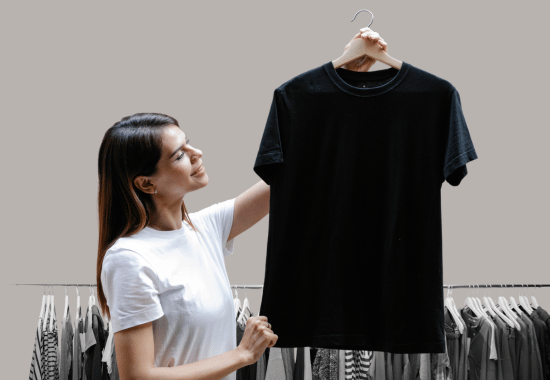
Starting a clothing brand has never been more accessible. With the rise of print-on-demand services, private labeling, and premium blank apparel, entrepreneurs can launch a fashion business without investing heavily in manufacturing. The key is knowing how to transform high-quality blank garments into a recognizable brand that customers trust.
Whether you’re creating a streetwear label, fitness apparel line, or lifestyle brand, blank apparel offers the flexibility, affordability, and speed needed to enter the market successfully.
How to Start a Clothing Brand Using Blank Apparel
The global fashion industry continues to grow, and consumers are increasingly drawn to niche brands with authentic stories and unique designs. If you’ve been thinking about launching your own clothing label, using blank apparel is one of the smartest ways to get started.
Instead of designing garments from scratch, you begin with high-quality blank t-shirts, hoodies, sweatshirts, hats, or polos and customize them with your branding. This approach dramatically reduces startup costs while allowing you to focus on building your brand identity, marketing, and customer experience.
In this guide, we’ll walk through everything you need to know about starting a clothing brand using blank apparel.
What Is Blank Apparel?
Blank apparel refers to garments that are manufactured without logos, graphics, or branding. These products serve as a blank canvas for customization through methods like:
Screen printing
Embroidery
Heat transfer vinyl (HTV)
Direct-to-Garment (DTG) printing
Direct-to-Film (DTF) printing
Sublimation (for compatible fabrics)
Blank apparel is widely used by:
Fashion startups
Streetwear brands
Corporate businesses
Sports teams
Schools
Promotional companies
Print-on-demand businesses
The quality of today’s blank apparel rivals premium retail brands, making it possible to create professional-looking clothing without manufacturing your own garments.
Why Use Blank Apparel to Launch Your Brand?
Launching a clothing line from scratch requires designing patterns, sourcing fabric, managing production, quality control, and logistics. Blank apparel eliminates many of these challenges.
Some of the biggest advantages include:
Lower Startup Costs
Manufacturing custom garments often requires large minimum order quantities (MOQs), making it expensive for new businesses.
With blank apparel, you only purchase the garments you need, helping you minimize inventory costs and financial risk.
Faster Time to Market
Since blank garments are already manufactured, you can focus solely on customization.
This means you can launch collections within days or weeks rather than waiting months for production.
Proven Product Quality
Reputable blank apparel manufacturers have already refined their sizing, stitching, fabric quality, and durability.
Instead of testing multiple factories, you begin with products that customers already trust.
Easier Scaling
As demand grows, ordering more blank apparel is much simpler than managing overseas manufacturing.
You can scale your business gradually without significantly increasing operational complexity.
Step 1: Define Your Clothing Brand
Before ordering any apparel, establish your brand identity.
Ask yourself:
- Who is your target audience?
- What style are you creating?
- What problem does your brand solve?
- What values does your business represent?
For example:
- Streetwear
- Luxury basics
- Minimalist fashion
- Gym apparel
- Outdoor lifestyle
- Sustainable clothing
- Christian apparel
- Music merchandise
Your niche influences everything from garment selection to marketing strategy.
Step 2: Choose High-Quality Blank Apparel
The quality of your clothing directly impacts customer satisfaction.
When selecting blank garments, consider:
Fabric
Popular options include:
- 100% cotton
- Ringspun cotton
- Organic cotton
- Cotton/poly blends
- Tri-blends
- Heavyweight cotton
- Fit
Choose styles that match your audience.
Examples include:
- Oversized
- Relaxed fit
- Athletic fit
- Slim fit
- Classic fit
- Boxy fit
- Weight
Fabric weight affects how premium your garments feel.
Common weights include:
- Lightweight (3–4 oz)
- Midweight (5–6 oz)
- Heavyweight (7–10 oz)
Many successful streetwear brands prefer heavyweight blanks because they create a premium appearance.
Step 3: Create Unique Designs
Your designs should reflect your brand personality.
Popular customization options include:
- Front chest logos
- Large back graphics
- Sleeve prints
- Neck labels
- Woven labels
- Puff print
- Embroidery
- Minimal branding
- Vintage graphics
Remember that strong branding often matters more than complicated artwork.
Many successful clothing brands began with simple logo tees.
Step 4: Select a Printing Method
Different decoration methods suit different goals.
Screen Printing
Best for:
Bulk orders
Bold graphics
Long-lasting prints
Lower cost per unit
DTG Printing
Ideal for:
Small batches
Detailed artwork
Print-on-demand businesses
Multiple colors
Embroidery
Perfect for:
Premium branding
Hats
Hoodies
Polos
Luxury apparel
DTF Printing
Excellent for:
Vibrant colors
Small production runs
Cotton and polyester fabrics
Choose the method that aligns with your budget and product vision.
Step 5: Build Your Brand Identity
Customers buy brands—not just clothing.
Your branding should include:
Logo
Keep it clean, memorable, and versatile.
Brand Colors
Maintain consistency across:
Website
Social media
Packaging
Labels
Marketing materials
Brand Voice
Decide whether your tone is:
Luxury
Bold
Minimal
Humorous
Inspirational
Premium
Youth-focused
Consistency helps customers remember your business.
Step 6: Design Professional Packaging
Unboxing experiences influence repeat purchases.
Consider including:
Branded mailers
Thank-you cards
Stickers
Tissue paper
Care instructions
Discount codes
Premium packaging increases perceived value.
Step 7: Set Up an Online Store
Most clothing brands begin online.
Essential pages include:
Homepage
Shop
About Us
Contact
Shipping Policy
Returns Policy
FAQ
High-quality product photography is essential.
Customers cannot touch your products, so your images must showcase the fabric, fit, and details.
Step 8: Price Your Products Strategically
Your pricing should cover:
Blank apparel cost
Printing
Packaging
Shipping
Marketing
Transaction fees
Profit margin
Avoid competing solely on price.
Consumers often pay more for brands with strong identities and quality products.
Step 9: Market Your Clothing Brand
Even the best apparel won’t sell without effective marketing.
Successful channels include:
Social Media
Post consistently on platforms where your audience spends time.
Share:
Behind-the-scenes content
Product launches
Customer photos
Styling videos
Brand story
Influencer Marketing
Partner with micro-influencers who have engaged communities rather than focusing only on follower count.
Email Marketing
Build an email list from day one.
Send:
Product launches
Exclusive discounts
Restock alerts
Brand updates
Content Marketing
Publishing helpful blog content can improve your search engine visibility and attract potential customers organically.
Topics might include fashion tips, styling guides, garment care, and industry trends.
Step 10: Focus on Customer Experience
Happy customers become repeat buyers and brand advocates.
Deliver a great experience by:
Shipping orders quickly
Responding promptly to inquiries
Maintaining consistent quality
Offering hassle-free returns
Encouraging customer reviews
Positive word-of-mouth remains one of the most effective growth strategies.
Common Mistakes to Avoid
Many new clothing brands encounter similar challenges. Avoid these common pitfalls:
Choosing low-quality blank apparel
Overordering inventory before validating demand
Inconsistent branding
Ignoring customer feedback
Underpricing products
Neglecting product photography
Failing to build an email list
Launching without a clear marketing strategy
Learning from these mistakes can save both time and money.
Tips for Long-Term Success
Growing a clothing brand takes patience and consistency. To build a sustainable business:
Start with a focused product line rather than offering too many items.
Invest in premium blank apparel to enhance customer satisfaction.
Test new designs before placing large orders.
Build a recognizable visual identity across every customer touchpoint.
Prioritize exceptional customer service to encourage repeat business.
Use customer feedback to refine your products and collections over time.
Track sales data to understand which designs and styles perform best.
Strong brands are built through continuous improvement and a clear understanding of their audience.
Frequently Asked Questions
Is using blank apparel profitable?
Yes. Blank apparel can offer healthy profit margins when paired with quality customization, effective branding, and smart pricing. Because production costs are generally lower than fully custom manufacturing, startups can clothing brands began by customizing premium blank garments before transitioning to custom manufacturing as they scaled, and relaxed-fit sweatshirts are popular choices for modern streetwear brands. The best option depends on your. Print-on-demand allows you to test designs with minimal upfront investment since products brand using blank apparel is one of the most practical and cost-effective ways to enter the fashion industry. By choosing high-quality garments, creating distinctive designs, building a consistent brand identity, and focusing on customer experience, you can launch a professional clothing line without the delivering quality products, and building a brand people genuinely connect with. As your business grows, you can expand your brand using blank apparel with this step-by-step guide. Discover how to choose quality blanks, customize designs, build your brand, and often achieve profitability sooner.
Do I need to manufacture my own clothing?
No. Many successful clothing brands began by customizing premium blank garments before transitioning to custom manufacturing as they scaled.
What is the best blank apparel for streetwear?
Heavyweight cotton t-shirts, oversized hoodies, and relaxed-fit sweatshirts are popular choices for modern streetwear brands. The best option depends on your target audience, desired aesthetic, and budget.
Can I start with print-on-demand?
Absolutely. Print-on-demand allows you to test designs with minimal upfront investment since products are only printed after a customer places an order. It’s a practical way to validate demand before holding inventory.
Final Thoughts
Starting a clothing brand using blank apparel is one of the most practical and cost-effective ways to enter the fashion industry. By choosing high-quality garments, creating distinctive designs, building a consistent brand identity, and focusing on customer experience, you can launch a professional clothing line without the complexity of manufacturing from scratch.
Success doesn’t come from having the largest budget—it comes from understanding your audience, delivering quality products, and building a brand people genuinely connect with. As your business grows, you can expand your product range, refine your designs, and establish a loyal customer base that supports your long-term vision.